Esteem Body™
Not all convexity
is the same.
Selecting the right convexity fit can help prevent leakage, protect peristomal skin and improve wear time—key factors in maintaining patient comfort and confidence.

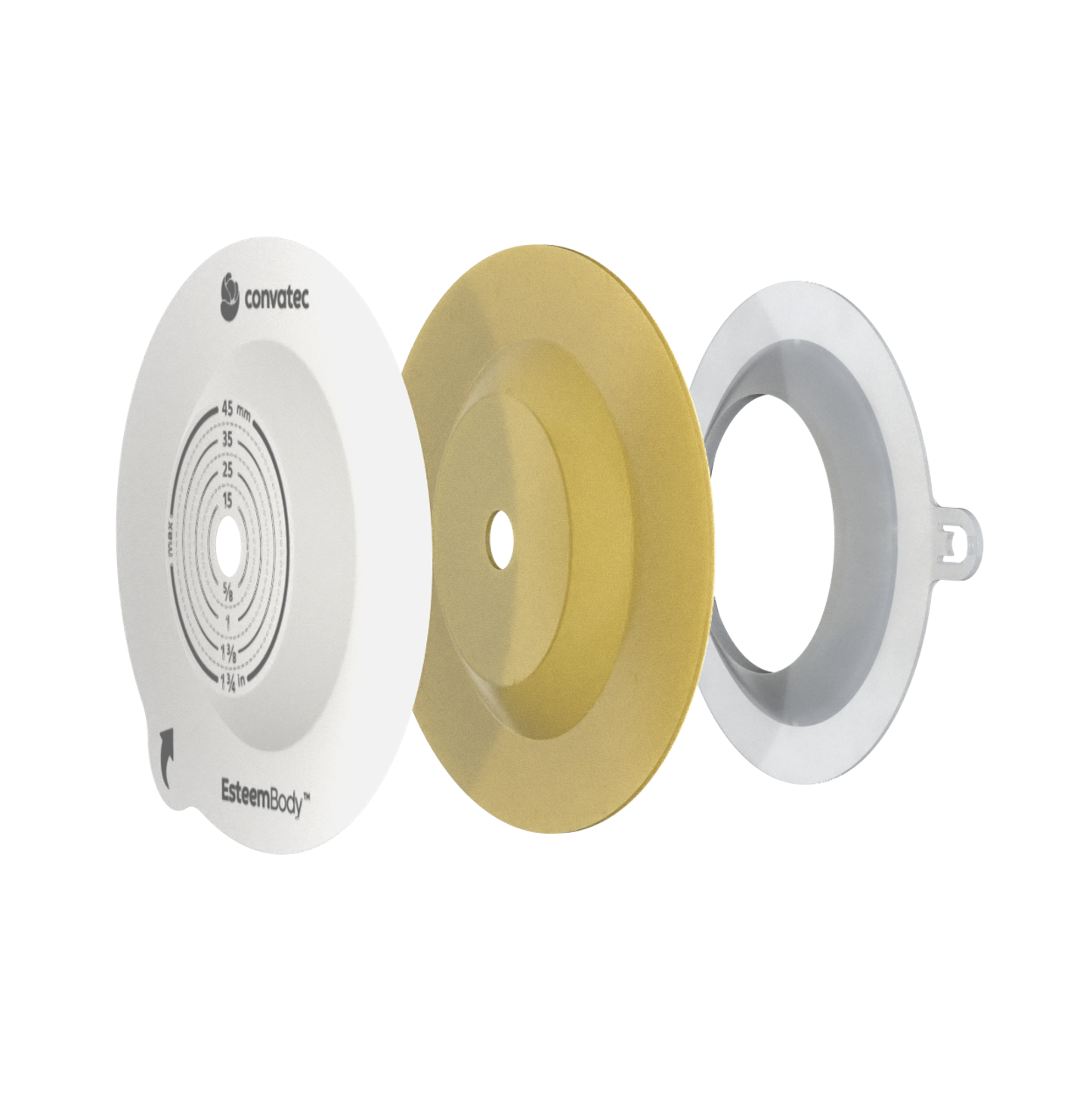

Latest evidence supports that depth and tension location are the strongest drivers of tension. Central tension supports stoma protrusion, while peripheral tension helps flatten irregular peristomal contours. Together, they shape how Esteem Body™ seals and protects skin.

Choosing the right convexity
Following the consensus guidance, we should always use the least amount of convexity necessary to protect skin and prevent complications.

Evidence-backed, anatomy-led design
New convexity guidance helps clinicians confidently match depth to anatomy, not default to extremes. Convexity selection should be based on a clinical assessment of the stoma and abdominal profile8
3.5 mm
7 mm
Consider your desired outcome.
Do you need to flatten the skin or protrude the stoma?
Define the tension location.
Or where the force must be applied.
Determine the depth needed.
This is the magnitude of the force applied.
3.5 mm
7 mm
Gentle flexibility provides comfortable, effective support at different depths while offering the least amount of convexity to achieve the desired clinical outcome.
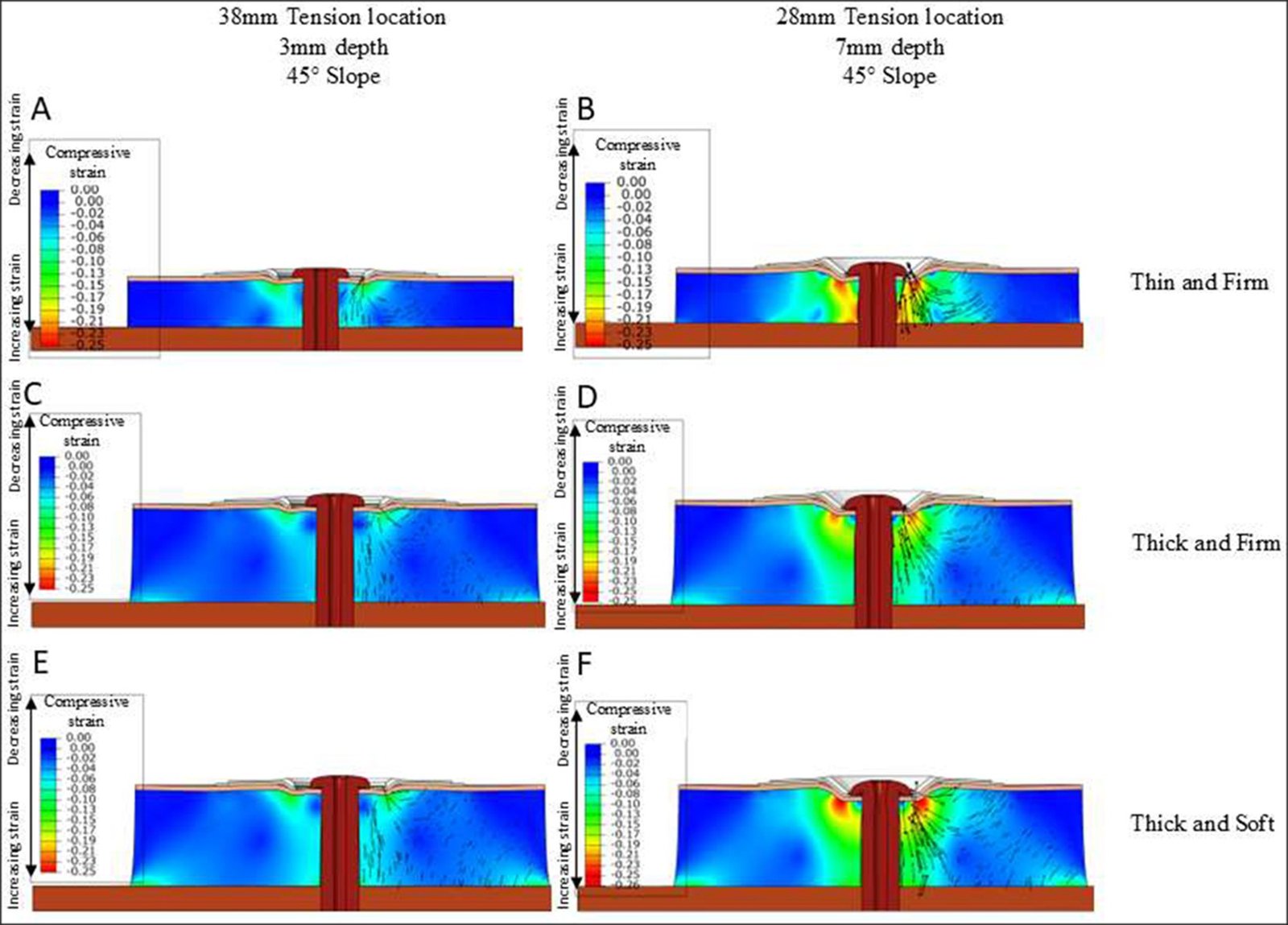
Soft convexity has shown to be effective more broadly across a range of abdomen types, and the least amount of convexity (least pressure) possible should be used to avoid skin damage and complications.8
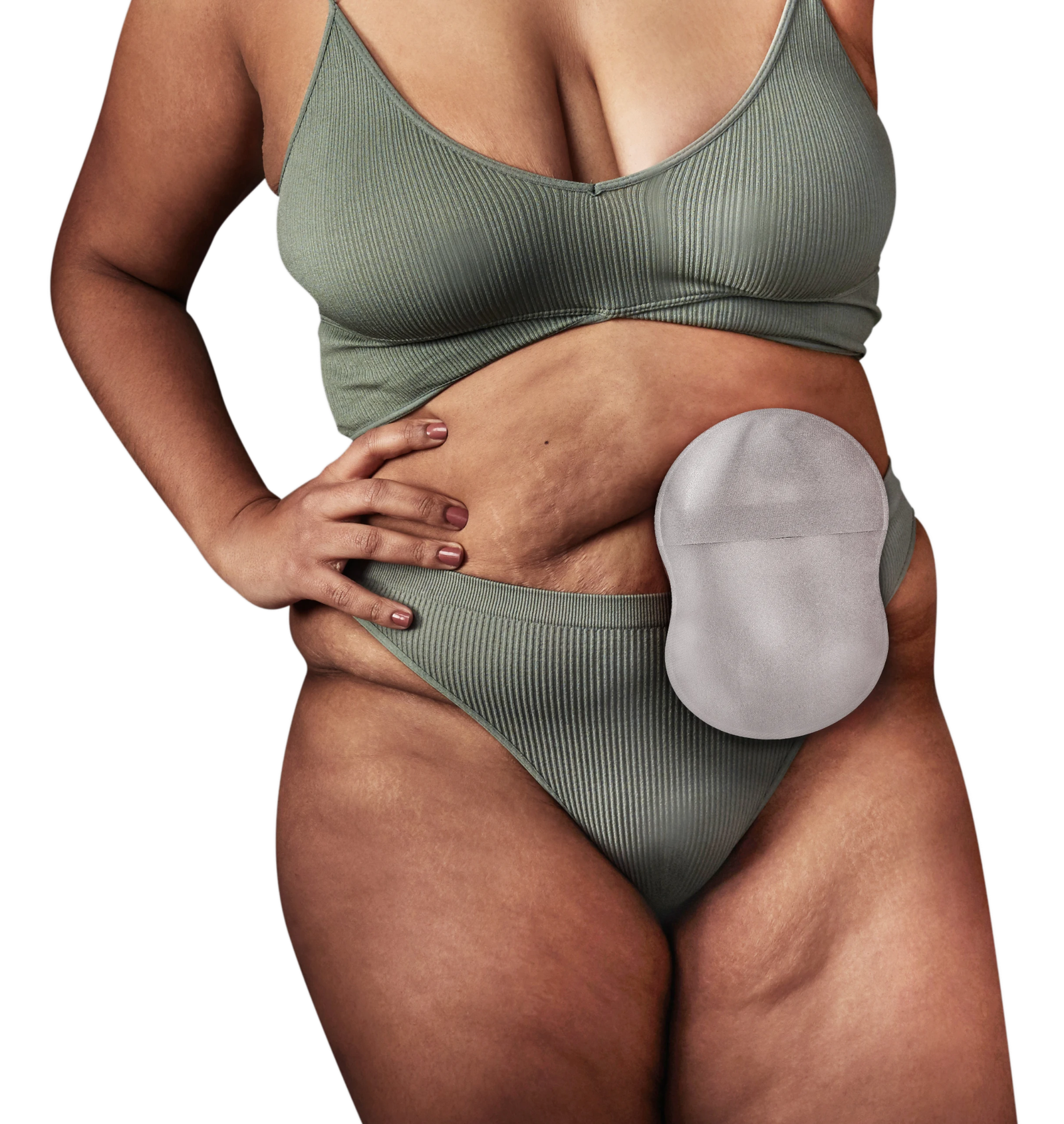
Esteem Body™ is the latest innovation in one-piece soft convex ostomy systems engineered to adapt to the body for a secure, longer-lasting seal from hospital to home.
Fit with less force
Not maximum depth. Just what the patient needs.
Soft convex is a more comfortable choice for many body types compared with rigid barriers.
Esteem Body™ convex solutions help clinicians achieve the right outcome with the least amount of convexity; tailored to real patient anatomy.
Hear what our customers have to say

When anatomy requires more support, 7 mm is deep enough to achieve the outcome with the least amount of convexity.
“Designed for real anatomy —
not ideal anatomy.”

Esteem Body™ Product Range
View our complete catalog of drainable, closed-end, and urostomy pouches.
Healthy Bonds™
Stronger Connections.
Better Ostomy Care.
Convatec delivers whole-person support through innovation, education, and community – because better care starts with stronger bonds.
Supporting you to provide patient choice in Convexity with our certified online learning module.